Showing posts with label pitch wars. Show all posts

Thursday, November 3, 2016

PITCH WARRIORS (to the tune of Queen's "We Are the Champions")

Dedicated to all Pitch Warriors and hopefuls out there fighting the good fight (or writing the good write), by Susan Gray Foster


I’ve paid my dues
I’ve done my time
I’ve worked for years
Never making a dime
And bad mistakes
I’ve made a few
I’ve told instead of shown and I’ve used lots of filter words too
(And I need to just write on and on and on and on)

We are Pitch Warriors, my friend
And we’ll keep on writing till the end
We are Pitch Warriors
No time for losers
‘Cause we are the writers of the words!

I’ve been rejected
I’ve rewritten it all
But I’ve had CPs and my awesome mentor
I thank you all
Still it’s been no bed of roses
No pleasure cruise
I consider it a challenge before the whole publishing world
And we ain’t gonna lose
(And I need to just write on and on and on and on)

We are Pitch Warriors, my friend
And we’ll keep on writing till the end
We are Pitch Warriors
No time for losers
‘Cause we are the writers of the words!


Monday, August 1, 2016

Self-editing Checklist


As hundreds of hopefuls are gearing up for #PitchWars this week, there has been lots of editing talk on the feed. How much is too much? How do you know when to stop? What’s the best use of your time (hint: it’s not #PimpMyBio)? What should you focus on first?

This year, I created a catch-all post on my blog that has many different topics listed—everything from crafting a synopsis, to getting rid of crutch words, to a cheerleading post encouraging you to keep on keepin’ on. But the posts I want to focus on are some of the self-editing tips I’ve included, and add a few more to the list.

While it’s true that mentors are not looking for perfection in the manuscripts that come our way, why not give your manuscript a leg up if you can? Here’s the real truth: I’m going to have my mentee do this homework anyway. So if it’s already done? Bonus points for you! That means that on a MS that maybe has more structural issues—deep edits that may take long enough to complete to make me nervous—but already has all this detail work done, I wouldn’t be hesitant to take it on with the short two-month revision period. Not like I may if it needed deep work and needed an editing overhaul. Make sense? You doing the work ahead of time means we have more opportunity to get into the thick of things and focus on Big Issues.

There are so many subjective reasons for mentors (and agents and editors) to say no. Why give them an objective reason to do so?

So how do you do this? I have a handy checklist I go through every time I finish a manuscript. The good news is the more you write and edit using said checklist, the more of a habit you’ll build, and these edits will start to come out while you’re writing instead of after the fact.

Only my mentees have gotten this checklist, but I’m going to share with you all because I like you and because you stopped by and checked out my blog post. And because you’re all submitting to me anyway. Right?

Read aloud
This is a great place to listen for awkward phrasing, clunky word choices or sentence structure, or unrealistic/stiff dialogue.

Spell check
Seems like a no brainer, but you wouldn’t believe how many people don’t do this.

Check chapter headings for consistency
Not just in numbers (1-20+, not skipping any), but in naming (Chapter 1, Chapter One, One, etc).

Find and cut your filter words
I have been preaching on this since I jumped on the feed this year. Upload your MS into wordle.net (you have to have Flash player installed, I believe, so if it’s not working, try that). Your biggest words are the ones you use the most. They’re probably back, just, then, really, quite, etc, and your MC names. Yes, even the names need to get slashed. You probably don’t need half of them.

Find and replace your distancing words
Doing this will give you stronger sentences which will in turn make your MS tighter. Felt, heard, saw, noticed, thought, realized, looked are all words that distance the reader from your MC. Find every sentence that has them and figure out a different, more powerful way to craft that sentence without it.

Adjective check
How many times do you classify your hero’s eyes with something pretty and poetic? His ocean eyes. His whiskey eyes. His rainforest eyes. How about your heroine’s hair? Her mahogany hair. Her long, flowy hair. You get my point. Mention it once, maybe twice, and then they’re just eyes/hair/skin/whatever. I know the descriptions are pretty. But they still need to go.

Adverb check
I’m putting this in here because some writers abuse this and use way too many. But I’m gonna let you in on a secret: I love them and I use them. That said, if you have fifteen on a page, you need to cull. Do a search for –ly and find them, then make sure you can’t replace it with a stronger verb.

Redundant actions
You don’t need to say she shrugged her shoulders or he nodded his head. She shrugged. He nodded.

Search and delete exclamation points
They’re overused and generally not even needed. Here’s a tip: Find and replace them all with a period. Then when you do a final read through, see what ones you need to add back in. There probably won’t be many.

Creepily moving body parts
His hands roamed over her body. Her eyes rolled. Anchor them to a person and reword for a stronger sentence.


There's your handy dandy self-editing checklist! Now that you have it, are you worried you don’t have enough time to get this done before the submission window closes? I don’t believe that, unless you’re a single parent working three jobs. (In which case, kudos to you. You’re amazing.) You have time. Use it to deliver the strongest MS you can.
Monday, June 27, 2016

Finding and Working with a Mentor


My mentor and co-mentor, Mónica, and I met up on a beach in Florida.
Pitch Wars 2016 is just around the corner! One of the best features of the Pitch Wars contest is that writers get the opportunity to work with mentors who help them strengthen their manuscripts before submitting to agents. Best of all, writers can choose which mentors to apply to. That way, if they are selected as mentees, they know they’ll be working with someone whose opinions they value.

So how does one go about deciding which mentors to apply to, and how, exactly does having a Pitch Wars mentor work?

Since I had the tremendous good fortune to be selected as a mentee in 2014 and as a co-mentor in 2015, I thought I could share some tips from both sides of the Pitch Wars experience.

***Opinions are mine; please refer to Brenda Drake’s website for all official Pitch Wars rules, information, and guidelines.***

How to choose
The process begins when mentors’ wish lists go live on July 20. Brenda’s website will have links to all the mentor blogs, and each mentor will post a brief bio and detailed information about what categories and genres they are seeking, taste preferences, expectations, and other useful tidbits. So, of course step one is to read the mentor wish lists!

You will definitely want to take notes, and using a spreadsheet or some sort of organizational system will help track mentor information. You can immediately narrow your mentor list to those seeking the category and genre you write. (Seems obvious, but there are always a few wasted entries submitted to someone not mentoring that genre.) If a mentor mentions special interest in something specific that your manuscript has (could be horses, a particular period setting, LGBTQ, rare fairy tale retellings, etc.), that’s a strong indicator that they might be a good choice for you. Mentor wishlists may also discuss mentoring style, and you may get a sense of personality. In addition, some mentors take part in Workshops (on Brenda’s website), and Live Chats. These are great sources of information about the mentors and their styles and personalities.

Stalking Researching
Once you have a “short list” of potential mentors who are seeking the type of manuscript you’re writing, you will probably want to do a bit of stalking on twitter and/or other social media sites and blogs to find out more. You can check out any books mentors have published or that will be coming out, who their agents are, and who they’ve mentored in previous years. All these tidbits may leave your head spinning, which is where a good note-keeping system can be a huge help.

Finally, for mentors who have been involved with Pitch Wars (or other contests) in previous years, I highly recommend checking out their previous entries. This is what lead me to apply to the person who ultimately became my mentor (and now co-mentor) Mónica Bustamante Wagner. I loved the writing and concept of her previous year’s entry, and I figured that if we had similar taste in that respect, then there was a better chance that she would like my manuscript. Furthermore, I felt I could confidently rely on her judgement, knowing that she had similar values in terms of story and writing style.

Now what?
So you’ve applied to carefully-selected mentors, and you’ve waited through the grueling weeks until the mentor picks are revealed, and—HURRAY!!—you’ve been selected as a Pitch Wars finalist! Now your mentor will provide you with feedback to help you take your manuscript to the next level.

I was beyond thrilled when I received feedback from my mentor, Mónica; I knew, immediately, that she had discovered the key to fixing an issue that had been plaguing my manuscript and preventing me from moving forward.

Communication
But what if your mentor suggests something you don’t agree with? At some point in the revision process, Mónica advised me that my characters “laughed” too much and suggested that I could substitute the word, “chuckle.” But, for me, the word, “chuckle” has very specific connotations: an old man can chuckle, but my MC would never chuckle! The word didn’t fit my manuscript’s voice, in my opinion. Timidly, I explained this to Mónica. And of course she replied with something like, “Okay, no problem, just find other ways to fix your overuse of ‘laugh.’”

I believe communication is the key to a successful mentor-mentee relationship. Don’t understand a suggestion? Communicate. Wondering when you’ll get notes? Communicate. Disagree with something? Communicate. Confused by what other mentees are saying? Communicate. Completely and utterly freaking out about everything? Communicate.

Respect
At the same time, mentors have varying communication styles and schedules, and it’s also important to be respectful of your mentor’s time. Communicating every time you’re unsure of where to put a comma would probably be a bit much.

Your mentor selected your manuscript from among the many they received, and they are volunteering their time because they believe in you and your manuscript and want to help you move forward with your writing dreams. By respecting your mentor’s time and effort, and communicating honestly, you can make the most of your Pitch Wars experience.

Questions or tips about finding and working with a mentor? Please add a comment!


Wednesday, June 15, 2016

The Do's and Don'ts of Twittering During Pitch Wars


Pitch Wars is a nerve-racking time for many a writer. It’s hard to know what to do, what not to do, how often to do it, and what the general etiquette is surrounding conversation with the mentors. Twitter is an awesome place many of the mentors hang out. We’re there to answer questions, or just plain old chat with any/all hopefuls. That said, there are some definite do’s and don’ts when using the #PitchWars feed, so I thought I’d do a little post on using Twitter during the months leading up to, during, and post-Pitch Wars.

Do: Hop on and introduce yourself. The best way to start using the feed is just that: start using it. Everything can be found under #PitchWars, so jump into other conversations people are having, and don’t worry about interrupting. If they wanted the conversation to stay private, they’d have it via DM or email. This is a great way to make new friends, find CPs, and calm your nerves during the process.

Don’t: Jump into a conversation just to argue or stir the pot for your pleasure. Pot stirrers get side-eye.

Do: Ask questions of the mentors! It doesn’t even have to be a mentor in your category or genre, unless it’s specific to those things. The mentors who are on the hashtag are there because they’re willing to chat with you about your writing, your MS, something you’re unsure of, the industry, etc. And we're mentors because we've been around the block a time or two, so we have knowledge we're willing to share. Tap into it!

Don’t: Ask too specific of questions such as, “Are you interested in a time traveling troll who falls in love with a princess and then they have to fight the fairies for control of their land?” For many mentors, that crosses the boundary line they don’t want to cross. Instead ask, “Are you interested in fantasy?” or “Do you have an aversion to trolls?”

Do: Be positive and help fellow hopefuls! Don’t think of this as a Survivor type contest. Your positive energy and genuine concern of/help to fellow hopefuls will be noticed by the mentors. Alternately, your lack of positive energy/concern will also be noticed.

Don’t: Constantly bemoan the process, the mentors, Brenda, the industry, the agents listed, etc, etc, etc. Think of the mentors like your mom. We’re always watching, and we have eyes in the back of our heads.

Do: your homework! When the mentors are listed and the blog hop is upon us, don’t be afraid to chat with the mentors you’re considering. And it doesn’t have to be all shop talk! This is a great time to get to know the mentors you’re considering and see if you’d be a good fit, personality wise. Clicking with your mentor is a very important aspect, and, though I can only speak for myself, it’s also something this mentor takes into consideration when choosing a mentee.

Don’t: freak out if you never had conversations with your selected mentors and now fear you won’t get picked because of that. Mentors can tell your personality through many things; conversing on Twitter is only one.

Do: say thank you—to the mentors, and especially to Brenda and her assistants—and support those giving their time in whatever way you can. This is a lot of work, and work that isn’t always done without a price tag (both in terms of money and that all-valuable time). While a simple thank you is always appreciated and noticed, you can also help support the mentors giving their time by buying their books or checking them out from the library and spreading the word about them, and also by donating to help Brenda run Pitch Wars.

Don’t: whine about how much work you’re putting into getting your MS ready, wading through the 100+ mentor blog posts just to find the ones who accept your genre, etc. Believe me, we know how much work goes into it.

Do: keep following the mentors even if you didn’t get chosen. The urge to unfollow can be strong if you’re not selected, and I know it can be a little rough seeing someone else where you hoped to be, but the mentors are there and willing to chat with you even post-Pitch Wars if you should have questions on the process, the industry, etc. Don’t make a snap decision and do something that will only hurt you. Like my mom always said, “Don’t cut off your nose to spite your face.”

Twitter is an awesome and fun place to hang out before, during, and after Pitch Wars, so make the most of it! Swing by and say hi.


Monday, June 6, 2016

Four Qualities of Good Writing


What are the fundamental qualities of good writing?

Many years ago, as a brand new student teacher, I discovered at the last moment that I would be teaching creative writing to at-risk teens at an alternative high school. Luckily, I stumbled across a text called WRITING PROCESS ACTIVITIES KIT by Mary Lou Brandvik. This curriculum (now long out of print) promotes utilizing steps of the writing process (prewriting, drafting, revising, and presenting), and emphasizes four key qualities of good writing.

The book focuses primarily on writing personal narratives (true short stories from students’ own lives), but these fundamental qualities apply to many types of writing, and definitely to writing fiction. I learned so much teaching these qualities to student writers. And now that I am teaching again, it’s a continual refresher course as I witness how powerful writing can be when it exhibits these qualities.

Have a guess—what are four fundamental qualities of good writing?

Focus

One is focus. In writing personal narratives, students are encouraged to focus on one particular time, experience, memory, and to make the reader “see” it. Instead of vague generalizations such as, “I love my mom and I’m really going to miss her,” focusing on a particular moment and experience can produce something like this brief passage from one my favorite YA novels, ANNA AND THE FRENCH KISS, by Stephanie Perkins:

My mother lingers behind. “You’ll have a wonderful year here,” she says. “I just know it.” I bite my lip to keep it from quivering, and she sweeps me into her arms. I try to breathe. Inhale. Count to three. Exhale. Her skin smells like grapefruit body lotion.

Focusing on this small moment allows the reader to experience it right along with the main character, and to feel what she is feeling.

Specific Details

Another quality of good writing that is beautifully illustrated by the above passage is use of specific details. Specific verb choices such as “lingers” and “sweeps” help us picture the scene. Specific details make characters, worlds, thoughts, and emotions come alive. Bonus points for use of sensory details, which are specific details pertaining to the perceptions of our five senses—not just the sense of sight, which most of us tend to naturally rely on and use most frequently in our writing. Including details that the other senses perceive—such as the scent of “grapefruit body lotion” can have a powerful impact.

Showing

A third quality of good writing, one that is often discussed and sometimes causes confusion for fiction writers, is showing, rather than telling. Writing that is focused and uses specific details already has a high probability of showing, not telling. Writing that shows puts a picture in the reader’s mind, engages the reader, and makes them feel emotions right along with the characters(s) in the story. In the passage above from ANNA AND THE FRENCH KISS, specific details about Anna’s body language convey that she is on the verge of tears without ever having to name an emotion. Often if we check our writing for words that name emotions, such as happy, angry, or jealous, we can find opportunities to replace these words and show the reader what the character is feeling, using specific details, rather than naming that emotion. Similarly, checking writing for “filter words”—such as think, feel, wonder, remember—can help us find places where we can show the reader our character’s thoughts and feelings, rather than telling the reader about them. This is not to say that these filter words should never appear in a manuscript, but that they may signal places where we can make our writing better, stronger, more powerful by showing rather than telling.

Honesty

Finally, a quality of good writing is honesty. The idea of honesty in writing—particularly honesty in fiction—often caused confusion and discussion in my classroom. No, honest writing does not mean that everything one writes must be factual or that one must record events and dialogue exactly as they occur. So, how can a fictional story be honest? By expressing honest thoughts, feelings, and behavior that is true to the human experience. Even in way-out-of-reality sci fi and fantasy, writing is often at its most powerful because of honesty. And moments when we convey true, honest thoughts, feelings, or behaviors—ones that are not pretty or heroic or glamorous—are often the moments in a novel that evoke the most powerful emotions, or the biggest laughs. Those honest expressions of humanity are what readers connect with most strongly. We recognize our own human frailties and flaws and relate to them, sympathize and empathize with them. And this can lead to a powerful, unforgettable connection with a character and their story.

In this passage from another one of my YA favorites, ELEANOR AND PARK by Rainbow Rowell, Park realizes something unflattering about himself: Park rolled onto his stomach and pressed his face into his pillow. He’d thought he was over caring what people thought about him. He’d thought that loving Eleanor proved that.

But he kept finding new pockets of shallow inside himself. He kept finding new ways to betray her.

This honest recognition of ugly qualities within himself feels so real, so authentic, so believable, and it makes the reader connect with him powerfully and makes his love for Eleanor feel even more authentic and strong. No wonder ELEANOR AND PARK is loved by so many readers.

Remembering and continually refreshing our awareness of these four fundamental qualities of good writing—focus, specific details, showing-rather-than-telling, and honesty—can help make our writing not only good, but powerful.


Please comment below if you have thoughts or questions on qualities of good writing and how to put them into practice!

Wednesday, June 1, 2016

Mental Pitch Wars Prep

I know at this point you’re going to get a lot of information in regards to what to do with your manuscript, query, synopsis, etc. It will flood your senses, and some of it might be contradictory. That’s kinda the way of the publishing world because it’s so subjective. Some people like things one way, while others prefer another. Even so, considering how much of it’s actually going to be out there, I thought I’d prep you in a different area.

Preparing yourself emotionally for Pitch Wars.

Yup. Whether you get in or not, it’s an emotional roller coaster. There will be ups, downs, lefts, rights, spin arounds, and more.

It’s okay to feel sad—but don’t be a dick about it.

It’s okay to be mad—but don’t be a dick about it.

It’s okay to be ecstatic you got in—but don’t be a dick about it.

Are you sensing a theme here? In the past few years there have always been people who flip out when something doesn’t go their way. It sucks when that happens. I get it, but a lot of people put time, effort, sweat, blood, and tears into this competition—and I’m not talking about the mentees. You guys are awesome, but man, it takes so much to be on the other side, as a mentor, or better yet, as the contest creator—Brenda Drake.

Writer’s tend to be emotional people—and this is an emotional business, but if you want to survive in this business, you need to learn how to be a professional. That means no tantrums on social media, no bashing the mentors or creator, no secretly waging silent armies in hopes of destroying something good, all because something didn’t go your way.

The first thing to remember is that, even if you don’t get picked, that doesn’t mean you suck. Maybe your manuscript isn’t ready. Maybe a mentor would love to take it on, but there’s too much to be done in the time they’re allotted. Maybe it’s too good. Yes, it can be too good. Mentor’s can look at a manuscript, love it, and have no idea how to make it better.

So, as sort of Debbie downer as this might sound.

Prepare yourself ahead time. Prepare yourself emotionally for the good and the bad. There’s plenty of both to go around. Join in with the community. They will help lift you up. They will become your best friends and new critique partners. They will swap queries and first chapters—and it’s beyond amazing. I met my best writer friends while participating in Pitch Wars two years ago.

I didn’t get in by the way. I wasn’t even an alternate. I wasn’t even considered by anyone I submitted to, so if you’re thinking:

“Well, she got in. She doesn’t know what it’s like to be rejected.”

Hit the buzzer cause you’re wrong. I NEVER got into a competition—but what I learned from each one, was absolutely invaluable—and there is so much to learn. If you let that happen, it will improve your query, your pitch, your manuscript, and more than likely, your chances of being published. Sometimes, it’s not all about getting into the competition. The parties that happen before hand? It’s like a huge tailgate party for writers with a plethora of information for you to absorb. Enjoy. Have a drink if that’s your thing. Play the games, get to know people.

Regardless what happens, good or bad—it’s okay to have feelings. It’s okay to cry, jump for joy, and get frustrated. This industry is so subjective. It's got so many ups and downs. It's okay to react. To feel.

Just don’t be a dick about it.


Thursday, March 3, 2016

Writing an opening scene is like juggling (only harder)


By Susan Gray Foster

New Clubs by jayniebell
Much has been said about opening chapters, opening pages, opening lines. And it’s no wonder. If the opening of a novel doesn’t entice the reader (whether that reader is an agent, an editor, or a member of the general public browsing through books at Barnes and Noble), they will likely read no further. This doesn’t necessarily mean that the opening needs to blow readers away with its awesomeness and leave them gasping, but it must catch readers' interest and compel them to spend hours of their lives reading the story that’s been introduced.

Although there are no hard and fast rules, generally speaking, opening chapters must introduce the reader to a main character they will care about, ground the reader in a setting, and establish conflict and tension, and the writer must do all this with an engaging voice, using a tone that is appropriate to the novel, without resorting to exposition, info dumps, or chunks of back-story.

It’s kind of like juggling: To open a novel, a writer must throw a lot of balls into the air at once and keep them there.

Openings that hook
Some writing advice suggests that openings must show the main character in their “normal world” before an inciting incident occurs. Others suggest that a novel should begin when something changes for the main character. The opening scenes of two of my favorite YA novels, ELEANOR AND PARK and ALL THE BRIGHT PLACES, do both of these things at once:

Rainbow Rowell’s ELEANOR AND PARK opens with Park’s normal life; he’s on a bus, heading for high school in 1980s middle-America. Within the opening paragraphs we learn that Park tries to “keep his head down” to avoid unwanted attention from the mean-spirited “popular” teens who sit at the back of the bus. Tension and conflict occur immediately as the popular kids pester him and make ignorant, demeaning comments about Park and his Korean mother, but Park is adept at navigating the high school cliques, and at tuning them out by listening to the era’s edgy new music on his headphones.

Then change happens: Eleanor gets on the bus. We empathize with Park as he desperately avoids offering a seat to the awkward, attracts-attention-in-all-the-wrong-ways new girl, and then does it anyway, setting the story in motion.

ALL THE BRIGHT PLACES, by Jennifer Niven, opens with the male protagonist, Theo, asking, “Is today a good day to die?” This opening line hits with an unexpected punch, and it hooks, compelling the reader to find out what sort of person would ask this question and why. In the next few sentences, we learn that Theo asks himself this question continually within the context of his day-to-day life as a high school student. And we discover that he is asking himself that question now, as he stands on the ledge of a tall building at his high school. We have a main character with a unique, engaging voice, we have a setting, and we have tension and conflict as Theo struggles with suicidal urges, all within a couple hundred words.

As Theo teeters on the ledge of the bell tower, we learn that his classmates refer to him as, “Theodore Freak,” and that they have become so desensitized to his strange, reckless behavior, they virtually ignore his precarious situation. This is Theo’s normal life. Information and back-story are woven seamlessly into a compelling scene taking place at present.

A few pages in, Theo discovers that he is not alone on the ledge of the tower. This will lead him to take action in a way that sets the story in motion. For Theo, something has changed.

Where to begin
When writing a first draft, trying to create a great opening scene with all the right elements, like the ones in these examples, would probably drive most writers insane and they would never get words down on paper. Everyone’s writing process is unique, but many find it works best to just start somewhere and write. Later, when the writer has a better handle on the important aspects of their novel, they can go back and rework the opening scene (usually, multiple times(!), with the help of good beta readers and critique partners.

… Or you can just throw everything in the air and try to juggle! ;)

For some other takes on openings, check out Where to Start Your Story, by #Pitch Wars mentor, Kes Trester, and How to Write a First Line that Hooks, by #Pitch Wars mentor, Stephanie Scott.

Thoughts on strong openings and how to write them? Please share in the comments below!

Monday, January 25, 2016

Not The Way Vague Is

According to Joseph Campbell and myth criticism, the same stories are being told over and over again. To a point, that’s true. Tropes are repeated all the time.

Person meets person. (Boy/girl girl/girl boy/boy or any combination you so choose, it’s still the same basic trope of that first meeting.)
Coming of age.
The one.
Second chances
Redemption
War
Sports
Person on a journey
Rags to riches
Tragedy
And the list goes on.


If I say there’s an awesome story about this guy who was prophesized to kill his father, would you know what story I’m talking about, or would several come to mind? Maybe I’m talking Oedipus Rex. Maybe I’m talking Star Wars. Who knows? It’s too vague to be certain. Oedipus Rex and Star Wars are two completely different stories, but without the details, both can be described by that first vague line.


This is the same thing I see in queries all the time. People are vague. That vagueness describes two hundred other stories written with the same basic trope. You think you’re talking about your story, but really you’re talking about many, because I have no idea the details of yours and what makes it different.

Oedipus had no idea it was his father he killed at the time. Had no idea he married his mother. Luke knew Vader was his father, but had no idea that Leah was his sister when she kissed him. Similarities, but differences enough to make it known that it’s not the same read at all.

Without the details, your book is lumped into a trope. Be specific.

How do you know if you’re being too vague? There are some pretty good key words.
Mysterious
Stranger
Unknown

Things like that. Also no asking questions. This is your story. You tell me. Questions are vague and honestly, in my opinion, a little annoying. As far as I can tell most agents don’t like them much either.

Will she have the strength to face her inner demons and let herself love?

I dunno, but this doesn’t tell me anything about what makes your story different.

What must she do to face her inner demons? Tell me. Tell me what will happen if she fails. What’s the consequence of it all?


The details give the little nuances that are different from the basic trope. Sure, it’s a story about a son having to kill his father for some reason, but Luke is definitely not Oedipus.

Agents don’t want to rep the same story they just came across last week or last year. They want something new. The more details you give, the more they can see just how unique your story is, and it ups your chances of getting a request. If the son is destined to kill the father, that’s great, but tell me what makes yours different than the 8,000 other novels with the same trope.

What is going to make me LOVE your novel? 


The query is the agent’s first impression of your novel. Give it enough detail to make a good impression.

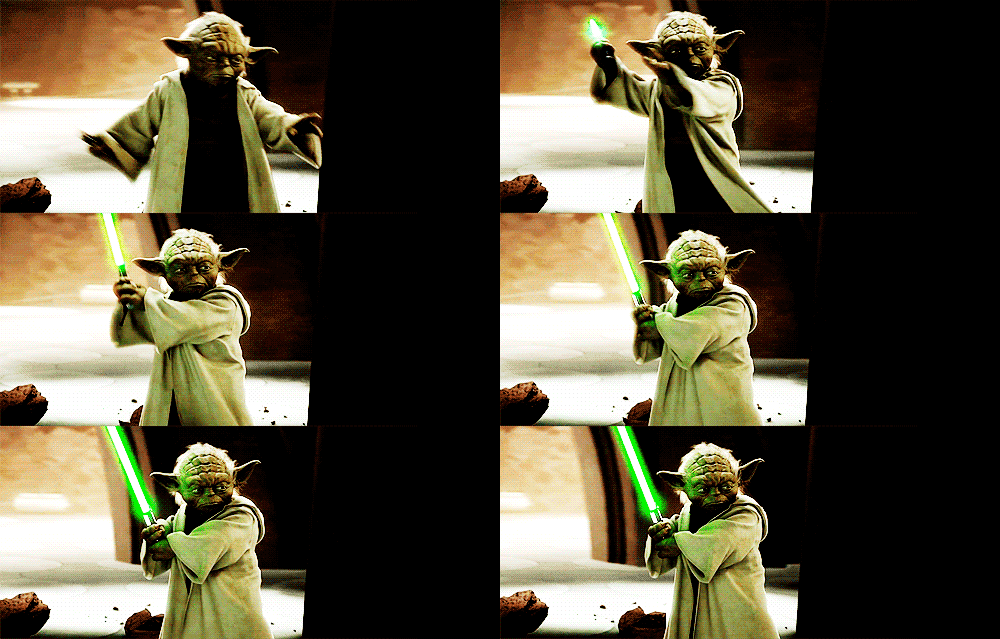
 As Query You Write, Force Be With You It Will


Wednesday, January 6, 2016

WELCOME TO THE HOME OF THE MENTORS!


Yes, it's happened. The rumours were true. WE HAVE LANDED!

Shield your eyes from all the dazzling beauty.


The Pitch Wars mentors are here with our very own blog, bringing you writing tips every week (probably) on pretty much every writing-related subject you can think of (possibly). From query letters to promotion, self editing to working with the professionals – we've got it covered.
It's going to be breathtaking. Heart-stopping. A thrilling ride of tips, tricks and techniques. We're being dramatic, over-the-top. No, we're not. Just watch and see the birth of true magic, not a single wand in sight.
But wait... What's that? Do we really hear you asking: What is Pitch Wars?
You're telling us you don't actually know what the best, most awesome annual writing contest is that was ever invented ever? You don't know who Brenda 'The Boss' Drake and her team of published writers, interns and editors are? These magical beings who donate a couple of months of their time and expertise to work with upcoming talented authors to hone their craft before showcasing their work to a bunch of top class, successful literary agents. Seriously? Well, in that case, you'd best click on this link and go find out...


*drums nails on desk*
Read it? Good. Now you know. Awesome, right?
So here we are. (Find out exactly who right here.) We're pumped and ready to help make you better writers. Dishing dirt and spilling secrets; who doesn't want to be a part of that?!
And just to show precisely how spiffing we really are, we're kicking things off with a few tasty giveaways!
Yeah, seriously.
All y'gotta do, is leave a comment telling us how amazing we are (really go for it, OK) and specifying which giveaway you'd like to win. Simple. And we will pick the best answers to receive the prizes. Don't like this technique? Well, consider it your first visit to the land of subjectivity. As a writer, it won't be your last. You have until our next blog goes live on January, 11th.
Here they are...
3 x query critiques
2 x first chapter critique, up to 10 pages
1 x query & first chapter (up to 4k words) critique 


1 x query & first chapter critique
1 x first 10 pages critique (preferably for an MG manuscript)
1 x query/first chapter critique


1 x copy of Hardwired by Trisha Leaver
Sparkly, right? So what are you waiting for... GO!
But seriously, thank you, all of you, for tuning in and being a part
of something special. We hope we can bring every aspiring writer
a sliver of gold to help them grow and develop their craft. This is
a tough business to be a part of; support and guidance, even a
shoulder to cry on, can get us through those sticky spots, those
emotional holes. Let us help you. Share us with your friends, tell
us what you think, and how we might have helped you, chat with
us; this will make it all worth while. (As well as buying our books
and leaving reviews, but we didn't just say that.)
Next on the Blog...The Mentors' Top Tips!

Also coming this month...Openings by Susan Gray Foster...Query Letters by Tamara Mataya...Query Letters by Natasha Raulerson...Query Letters by Molly Lee...Sun VS Snow Questions Answered by Michelle Hauck!